Kindred Wildlife
Abundant wildlife in a garden isn’t just beautiful—it actively strengthens both the garden itself and the surrounding ecosystem.
🐦⬛ Natural pest control
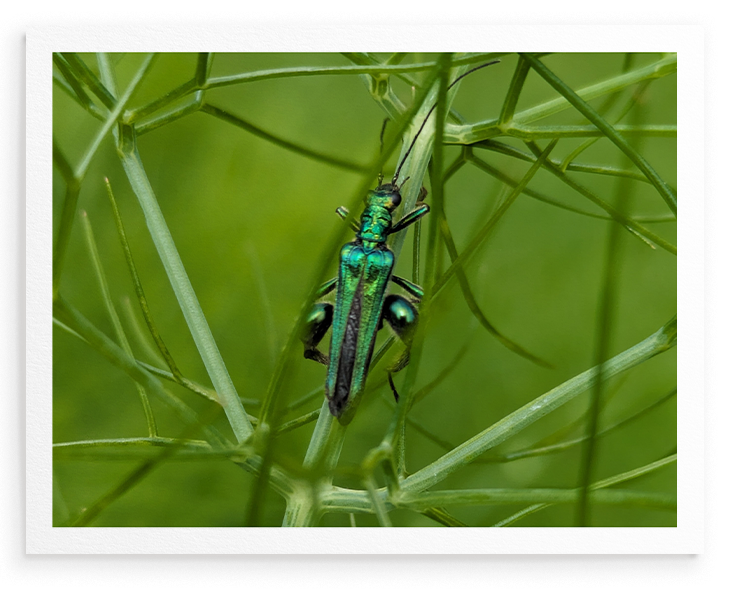
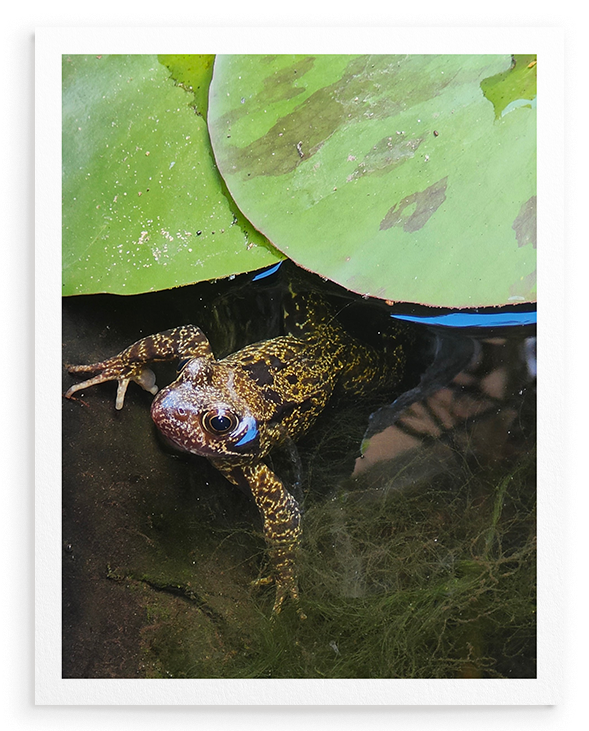
Birds, frogs, bats, and predatory insects feed on pests like aphids, slugs, and caterpillars, reducing the need for chemical pesticides, keeping the garden safer and healthier.
🐝 Pollination
Bees, butterflies, and other pollinators help flowers, fruits, and vegetables produce seeds and fruit, improving yields and plant diversity.
🪲 Soil health
Earthworms, beetles, and fungi break down organic matter, enriching the soil and supporting stronger, more resilient plants.
🌺 Biodiversity and resilience
A wide variety of species keeps the ecosystem balanced and ensures other species can fill roles if one declines.
🐿️ Seed dispersal and plant diversity
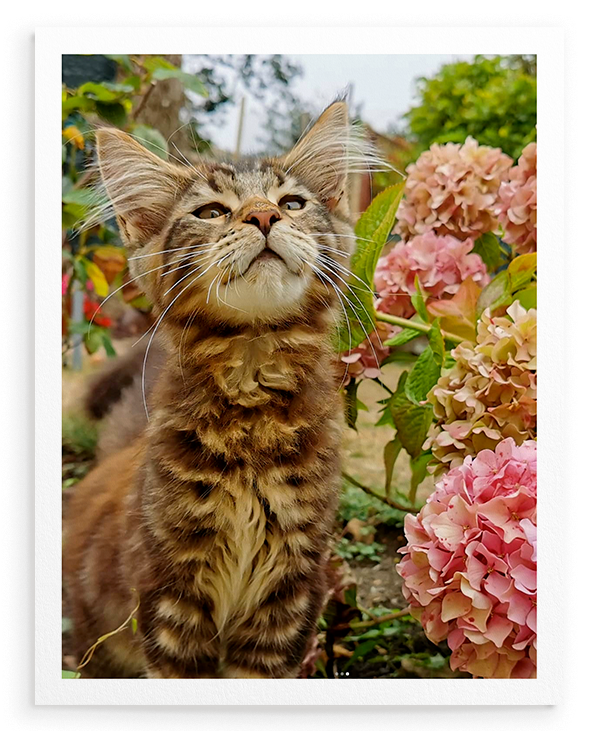
Birds and mammals carry seeds from one area to another, helping native plants spread and increasing garden diversity.
🦔 Ecosystem connectivity
A wildlife-rich garden acts as a mini-habitat corridor, linking larger natural areas and supporting healthy animal populations.
🌿 Climate and environmental benefits
Plants absorb carbon dioxide and produce oxygen, while wildlife aids nutrient cycling by decomposing organic waste.
Wildlife plays many roles—gardener, pollinator, soil engineer - boosting biodiversity naturally. The garden prospers, and the ecosystem around it grows stronger, more balanced, and resilient.
Learn more about Kindred Gardens